Anhui Jujie Automation Technology Co., LTD.

Paper Chart Recorders for Reliable Industrial Process Data Logging and Monitoring

Industrial paper chart recorders adopt thermal printing design with multi-channel universal signal input for temperature, pressure and flow. They support curve/data/mixed printing, built-in relay alarm and USB offline data export, featuring adjustable paper speed and Modbus communication. Widely used in pharmaceutical sterilization, chemical and food production for intuitive on-site permanent paper archives.

Types of Paper Chart Recorders

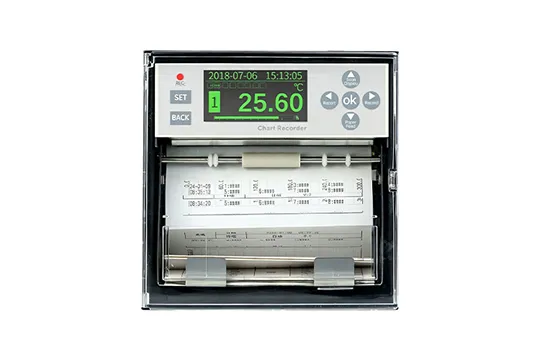
GT11R Chart Recorder
Compact single-channel paper chart recorder with universal signal input for temperature, pressure and flow. It prints continuous real-time curves on thermal paper with adjustable paper speed, supports limit alarm output, and generates tangible hard-copy records for pharmaceutical sterilization and food production compliance audits.
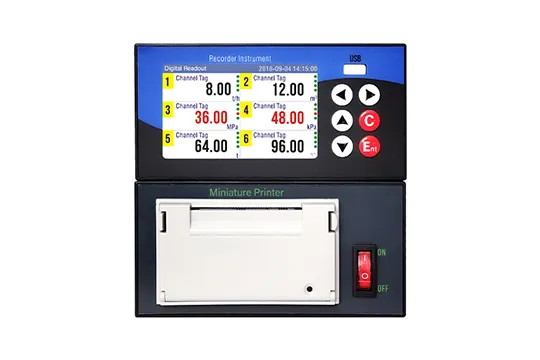
GT68PR Data Logger
GT68PR Data Logger
Multi-channel hybrid paperless + paper recording data logger integrating thermal chart printing and digital storage. It records multi-group process parameters simultaneously, stores data via USB, supports Modbus upload, and meets strict traceability demands in chemical, energy and medical industrial monitoring scenarios.

Why Are Paper Chart Recorders Preferred in Critical Safety and Compliance Applications?

​Tangible, Unalterable Hard-Copy Records for Audit

Thermal printed paper traces cannot be digitally edited or deleted like electronic files. Regulators accept physical chart printouts as original evidence for pharmaceutical sterilization, food processing and chemical safety audits, fully meeting mandatory traceability compliance requirements without data tampering risks.

Independent Operation Without External PC or Server

Paper recorders work standalone after power-on, no reliance on upper computer, network or storage drives. During power failure or system breakdown of central monitoring systems, they still continuously log critical process data to avoid missing safety records in abnormal production conditions.

Intuitive Real-Time Curve Visualization for On-Site Operators

Continuous printed curves directly reflect fluctuation trends of temperature, pressure and flow. Workers instantly spot abnormal spikes or drift at a glance without opening digital software, enabling rapid response to hidden safety hazards and preventing safety accidents.

Stable Recording Under Harsh Industrial Environments

With industrial-grade anti-interference hardware, they resist electromagnetic interference, high humidity and dust in workshops. Unlike paperless loggers vulnerable to storage chip failure, thermal paper printing delivers consistent long-term logging for high-risk chemical and energy sites.

Why Choose Paper Chart Recorders Over Fully Digital Recording Systems?

  • Physical Printed Records Prevent Digital Tampering Risks

    Digital data stored in chips or USB drives can be modified, deleted or overwritten by operators. Thermal paper chart records form unchangeable hard-copy archives, which are universally recognized by regulatory authorities such as pharmaceutical and food supervision departments as authentic audit evidence.

  • Standalone Operation Independent of Network and Computer

    Paper recorders do not rely on PLC, upper computer, Ethernet or storage devices. When server crash, network disconnection or USB data loss happens, they still continuously print real-time curves, avoiding blank data gaps during critical production and safety monitoring.

    Instant on-site visual judgment without auxiliary equipment

    Workers can directly observe curve fluctuation trends on printed paper without operating touch screens or analysis software. Abnormal temperature, pressure surges can be found at a glance, enabling faster on-site emergency response than digital loggers that require data retrieval.

  • Lower Fault Risk in Harsh Industrial Environments

    Digital paperless recorders face risks of memory damage, circuit interference and file corruption under strong electromagnetic interference, high humidity or dust. Chart recorders adopt simple thermal printing structure with fewer electronic storage components, delivering more stable long-term logging.

  • No Complicated Data Export and Decoding Procedures

    Digital records need dedicated software, USB readers and format conversion to view historical data. Printed paper charts can be checked anytime without any supporting tools, greatly reducing the workload of daily inspection and regular compliance audits.

  • Permanent Offline Backup Without Data Loss

    Electronic storage media have limited service life and data loss risks after aging. Paper printouts can be filed and stored for years as permanent backups, which is irreplaceable for accident review, product quality tracing and long-term compliance archiving.

Why Choose Paper Chart Recorders Over Fully Digital Recording Systems?
We use cookies to offer you a better browsing experience, analyze site traffic and personalize content. Part of the tracking is necessary to ensure SEO effectiveness,
By using this site, you agree to our use of cookies. Visit our cookie policy to learn more.
Reject Accept