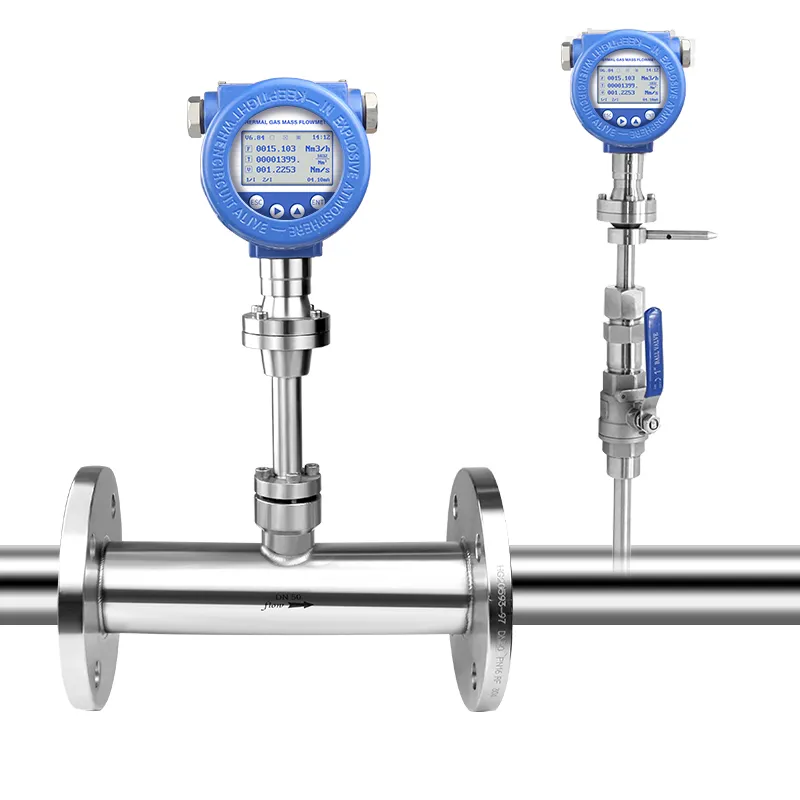
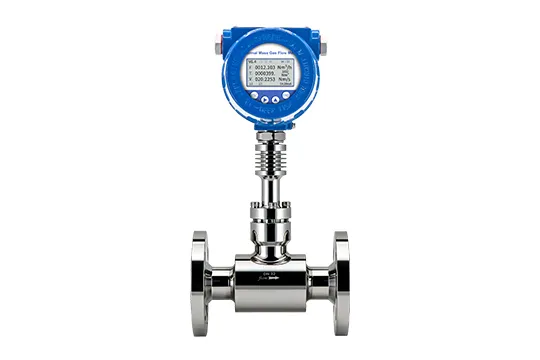
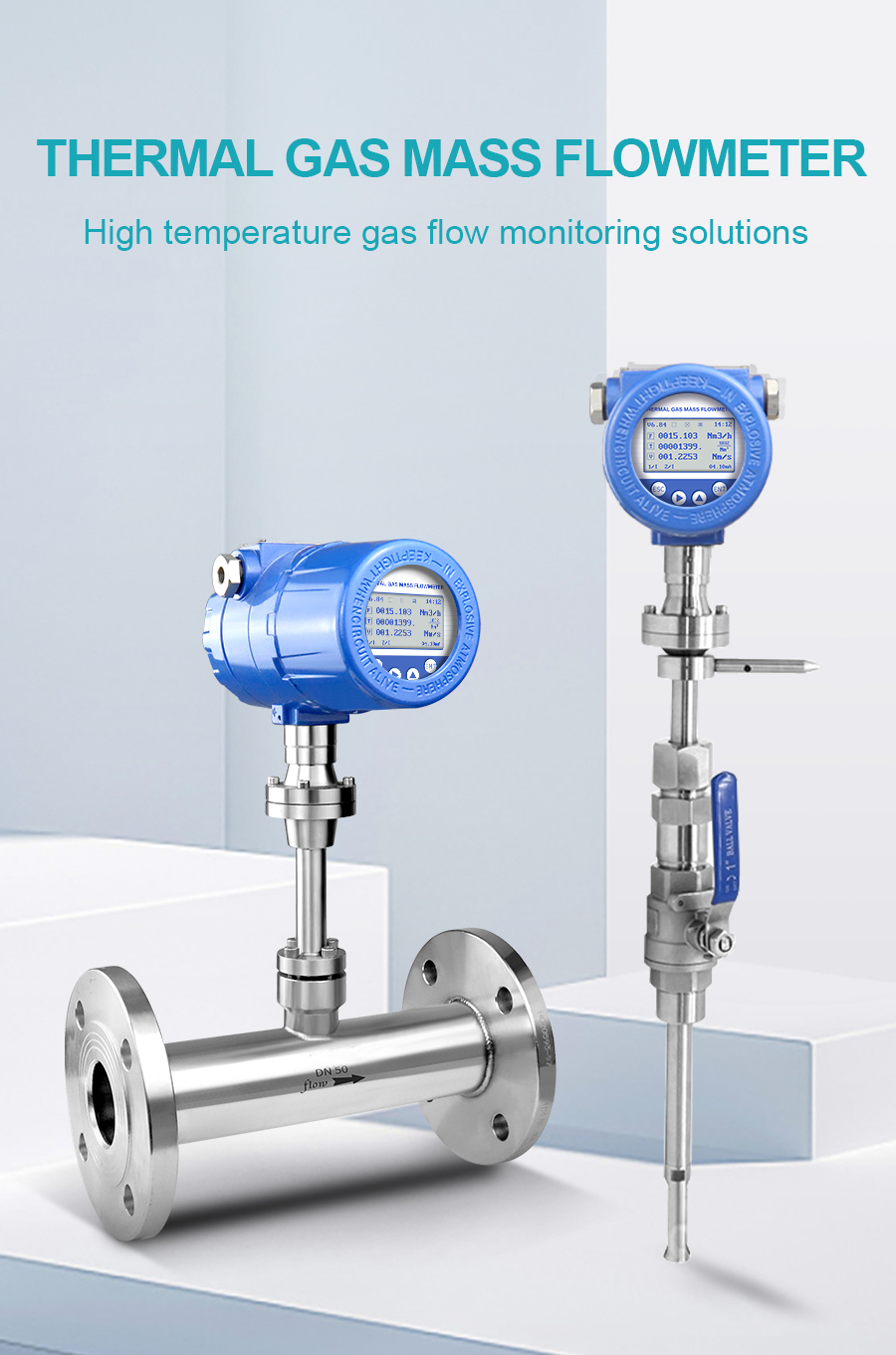
Features of Insertion Type Thermal Gas Mass Flow Meter
Plug-in structure, no pipeline cutting, convenient installation and disassembly
Suitable for gas pipelines DN25~DN2000
SS316L corrosion-resistant measuring probe
Direct mass flow measurement, no T&P compensation needed
Ultra-low starting flow, tiny pressure loss
Local LCD shows instantaneous and cumulative flow
Multiple outputs: 4-20mA, pulse, RS485, relay alarm
Low cost compared with full pipe type for large pipes
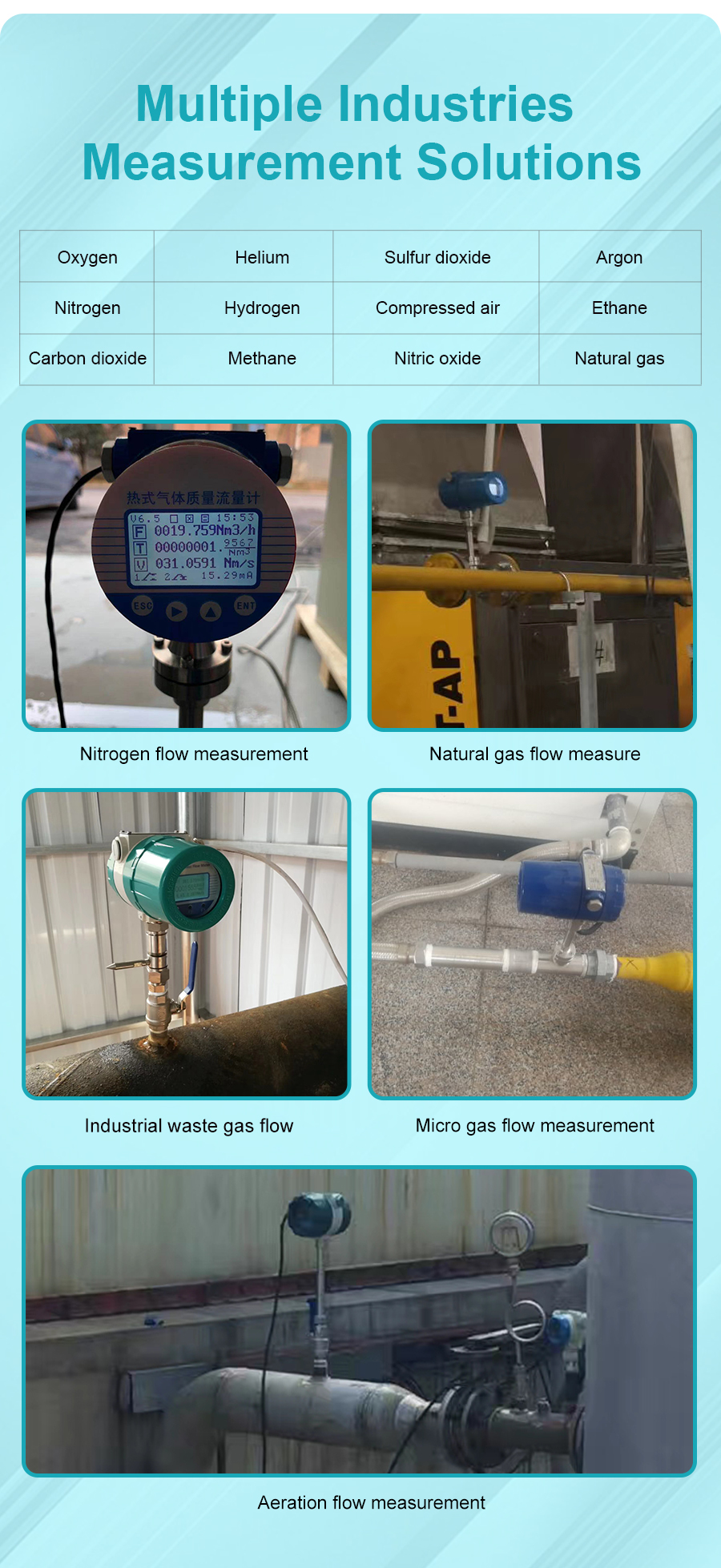
Wide adaptability for air, biogas, nitrogen, natural gas
IP65 protection, optional intrinsic safety explosion-proof
Its insertion probe design creates minimal obstruction inside the pipeline, helping reduce pressure loss and installation cost, especially for large-diameter gas lines. The meter can be used for compatible gases such as compressed air, nitrogen, natural gas, biogas, and other industrial gas applications.
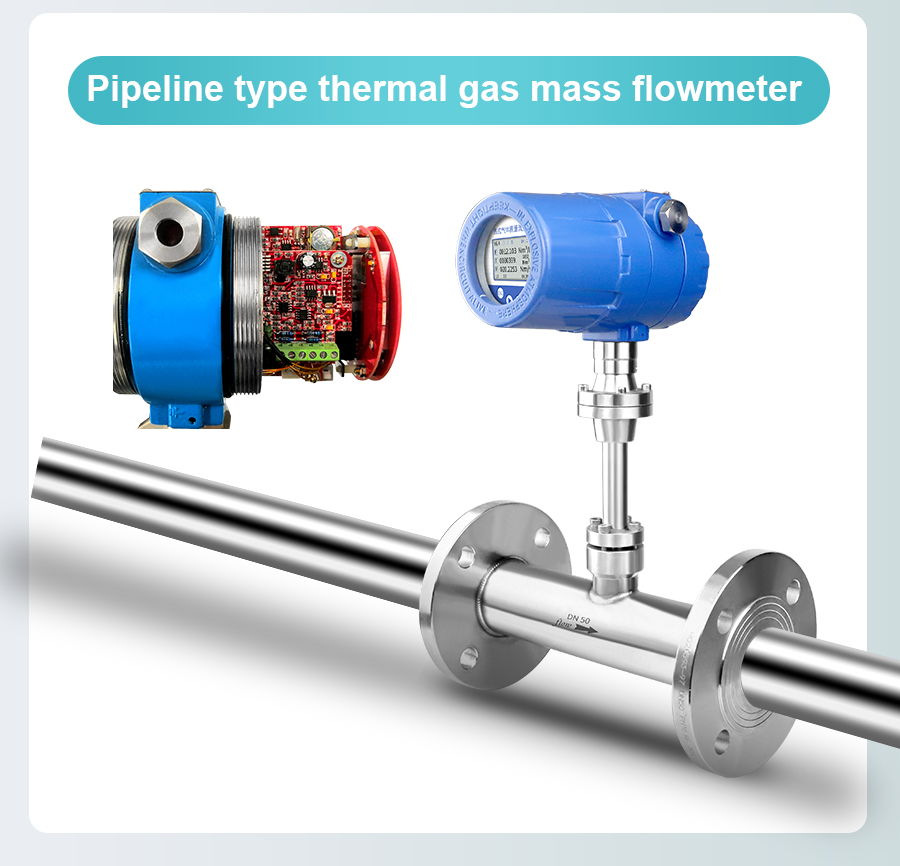
For other installation configurations, explore JUJEA's full range of thermal gas mass flow meters.
Specification of Insertion Type Thermal Gas Mass Flow Meter
| Measuring Medium | Various gases (excluding acetylene) |
| Pipe Diameter Range | DN25~2000mm |
| Flow Velocity Range | 0.1~100Nm/s |
| Accuracy | Insertion type: 2.5% |
| Working Temperature | Sensor: normal temperature type -10 ~ +200℃, high temperature type: -10 ~ +350℃; Converter: -20 ~ +45℃ |
| Working Pressure | Medium pressure ≤ 4MPa |
| Power Supply | Integrated type (DC24V or AC220V ≤ 18W); Split type (AC220V ≤ 19W) |
| Response Speed | 1s |
| Output Signal | 4-20mA (opto-isolated, maximum load 500Ω); RS-485 (opto-isolated), HART protocol |
| Pipe Material | Carbon steel, stainless steel, plastic, etc. |
| Display | Integrated type: four-line Chinese liquid crystal display |
| Display Content | Mass flow, standard volume flow, cumulative flow, standard time, cumulative operating time, medium temperature, standard flow velocity, etc. |
| Primary Meter Protection Class | IP65 |
| Sensor Material | Stainless steel |
Parameter of Insertion Type Thermal Mass Flow Meter
| Performance: | Technical Parameters |
| Accuracy: | ±1.5% |
| Repeatability: | ±0.3% |
| Upper range: | 100Nm/s |
| Lower range: | 0.5Nm/s |
| Diameter range: | φ10-φ2000 |
| Flow range: | 0-770000Nm3/h (φ2000 air) |
| Pressure range: | < 2MPa / < 6.3MPa |
| Temp range: | -30-150℃、-30-250℃、-30-350℃ |
| Medium: | Applicable dry gas except acetylene. |
| Sensor diameter: | φ18 |
| Insert sensor probe rod outside diameter: | Φ20 |
| Sensor material: | 1Cr18Ni9T/ Hastelloy/ Ti/ 316L/ Alluminium/ SS304 |
| probe rod material: | 1Cr18Ni9Ti/SS304/316L |
| Transmitter material: | die-cast aluminum |
| Power Supply: | AC220V /AC110V /DC20-30V |
| Output: | 4-20mA/Pulse/RS485 |
| Display: | 16 characters x 4 lines |
| Display type: | Split structure/Integrated structure/Insertable structure |
| Alarm: | 2 relay (keep open)、3A/250VAC、3A/30VDC |
| Protection: | IP65 |
| Cable outlet hole: | M20x1.5
|
Flow Range of Insertion Type Thermal Mass Flow Meter
| Diameter | Range (Nm³/h) | Extended range (Nm³/h) |
| 10 | 0.14~14 | 0.34~34 |
| 15 | 0.32~32 | 0.76~76 |
| 20 | 0.57~57 | 1.36~136 |
| 25 | 0.88~88 | 2.12~210 |
| 32 | 1.4~145 | 3.5~350 |
| 40 | 2.3~230 | 5.4~540 |
| 50 | 3.5~350 | 8.5~850 |
| 65 | 6~600 | 14.3~1430 |
| 80 | 9~900 | 22~2170 |
| 100 | 14~1400 | 34~3400 |
| 125 | 22~2200 | 53~5300 |
| 150 | 32~3200 | 76~7600 |
| 200 | 57~5700 | 136~13500 |
| 250 | 88~8800 | 210~21000 |
| 300 | 127~12700 | 305~30500 |
| 350 | 173~17300 | 415~41500 |
| 400 | 226~22600 | 543~54200 |
| 450 | 286~28600 | 690~69000 |
| 500 | 353~35300 | 848~84800 |
| 600 | 509~50900 | 1220~122000 |
| 700 | 692~69200 | 1660~166000 |
| 800 | 904~90400 | 2170~217000 |
| 900 | 1145~114400 | 2750~275000 |
| 1000 | 1413~141300 | 3400~340000 |
| 1500 | 3138~317900 | 7630~763000 |
| 2000 | 5650~565000 | 13565~1356500 |
How Does an Insertion Type Thermal Mass Flow Meter Work?
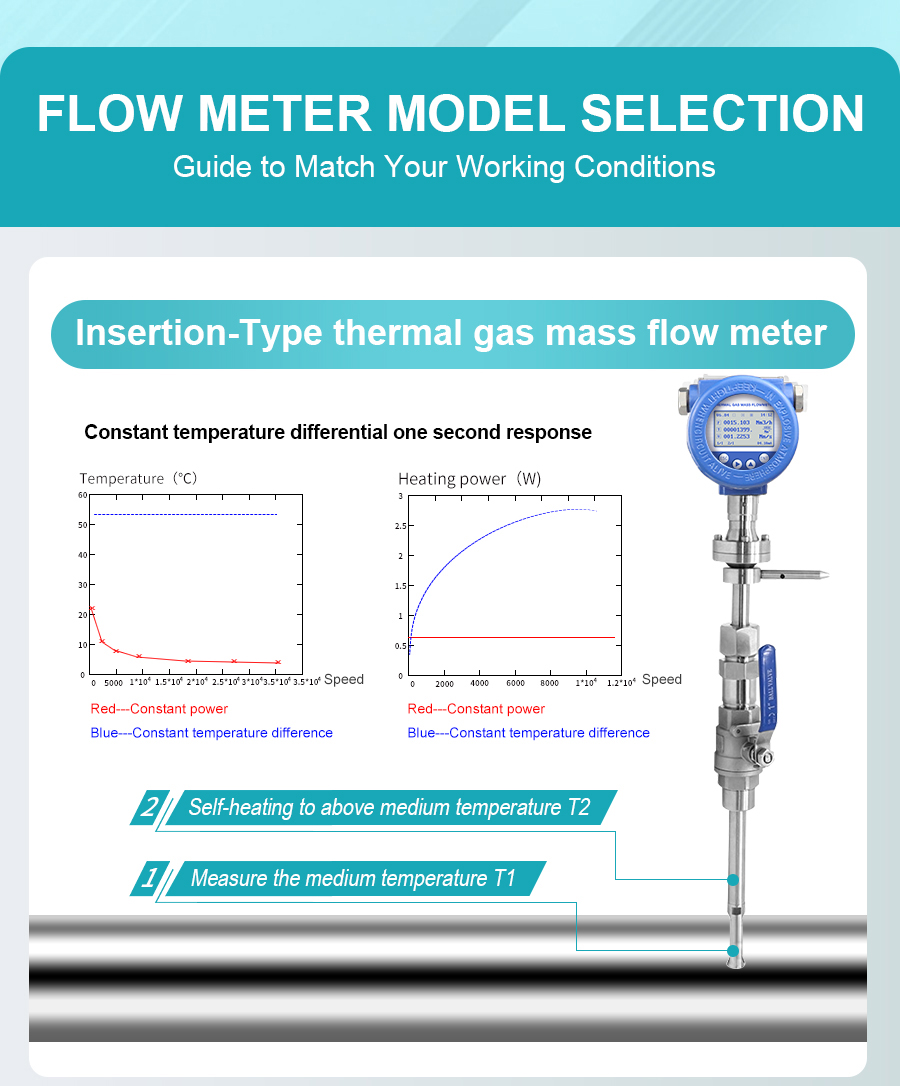
An insertion thermal mass flow meter measures gas flow using the thermal diffusion principle. The sensing probe contains temperature-sensitive elements that detect the amount of heat carried away by the flowing gas.
As gas velocity increases, more heat is transferred from the heated sensor. The meter converts this heat transfer into a mass flow value.
Because thermal mass technology measures mass flow directly, separate pressure and temperature compensation is generally not required in standard applications. This makes thermal mass measurement particularly useful for industrial gas consumption monitoring and energy management.
If you are comparing different measurement technologies for compressed air, see our guide to thermal mass vs vortex flow meters.
Applications of Insertion Type Thermal Mass Flow Meter
The correct flow meter should always be selected according to gas composition, flow range, temperature, pressure, and required accuracy.
| Gas / Application | Typical Use |
| Compressed Air | Plant energy monitoring and leakage management |
| Nitrogen | Process gas consumption monitoring |
| Natural Gas | Industrial fuel gas measurement |
| Biogas | Energy and process monitoring |
| Industrial Gas | Production and distribution monitoring |
| Process Gas | Continuous flow measurement |
| Acetylene | Not recommended for this model |
For special gases, high humidity, corrosive media, or unusual operating conditions, provide the complete gas composition to JUJEA before selecting the meter.
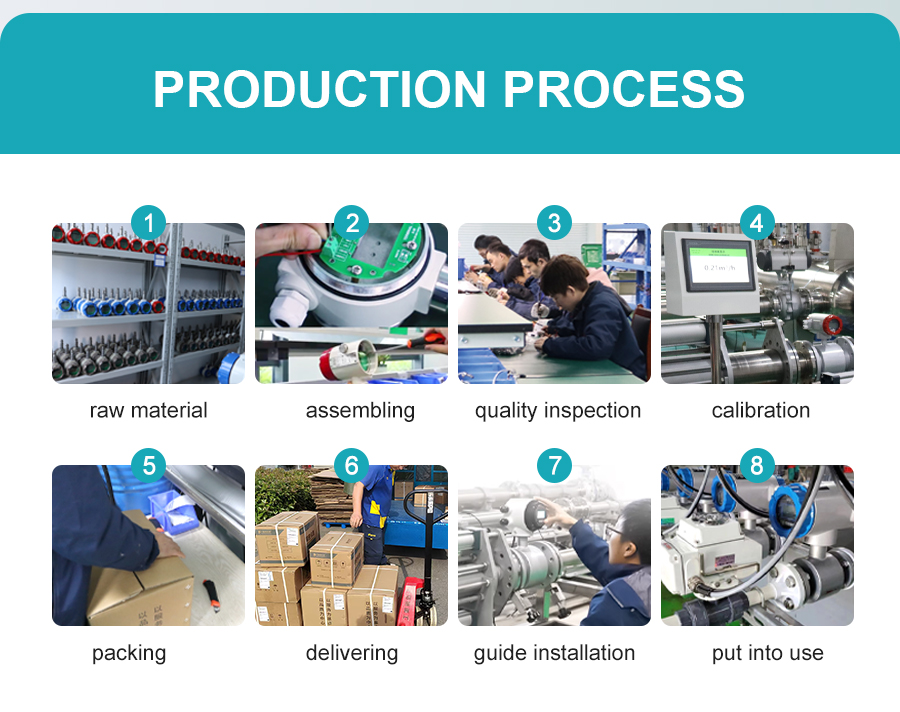
Production Process of Insertion-Type Thermal Gas Mass Flow Meter



 한국어
한국어 français
 Deutsch
 Español
 italiano
 русский
 português
 العربية
 tiếng việt
 čeština